
Pigmentation Removal: Which Treatment Is Right for Your Skin?

Here is something most people do not know until they have already tried the wrong treatment. Pigmentation is not one thing. It is several. And the treatment that fades sun spots beautifully can make melasma significantly worse. Getting the diagnosis right before choosing a treatment is not just good practice. It is the whole game.
If you have been using brightening serums for months with limited results, or you have tried a treatment somewhere else and the pigmentation came back darker, this post will explain why. It will also walk you through the main clinical pigmentation removal treatments we offer at Clinica and how we match the right one to the right skin.
Not sure what type of pigmentation you are dealing with?
Not All Pigmentation Is the Same
Understanding the type of pigmentation you have is the most important step in treating it. The main types look similar on the surface but behave very differently underneath.
Sun Spots and Age Spots
These are caused by cumulative UV exposure over time. They tend to appear as flat, defined brown spots on areas that have seen the most sun — the face, hands, chest, and shoulders. They are generally responsive to laser and light-based treatments.
Melasma
Melasma is a hormonal pigmentation condition that appears as larger patches of brown or grey-brown discolouration, usually across the cheeks, forehead, and upper lip. It is triggered or worsened by sun exposure, hormonal changes, and heat. Melasma is one of the most complex pigmentation conditions to treat and requires a careful, managed approach. The goal with melasma is improvement and management, not a one-time fix.
Post-Inflammatory Hyperpigmentation (PIH)
This type follows inflammation. Acne, a wound, an aggressive treatment, or even a minor skin reaction can leave behind a dark mark as the skin heals. PIH is particularly common in medium to deeper skin tones. It responds well to the right treatment but can worsen if the wrong approach is used.
Diffuse Sun Damage
Rather than defined spots, some clients present with an overall uneven, dull, or blotchy skin tone from years of accumulated sun exposure. This is often best treated with a combination approach rather than a single targeted treatment.

Pigmentation Removal Treatments at Clinica
Our sun damage, dark spots and melasma page gives an overview of what we treat. Below is an honest breakdown of each treatment and what it is actually suited for.
IPL — Intense Pulsed Light
IPL uses broad-spectrum light energy to target pigmented cells in the skin. The light is absorbed by the melanin in the pigmentation, breaking it down so the body can gradually clear it. It works well for sun spots, age spots, and diffuse redness or uneven tone caused by sun damage.
IPL is not suitable for melasma. The heat involved can stimulate melanin production and make melasma worse rather than better. If there is any uncertainty about whether your pigmentation is melasma or sun damage, a consultation and skin analysis before treatment is essential.
Downtime is minimal. Pigmented spots typically darken in the days following treatment before they flake away. Most clients see meaningful improvement over a course of three to five sessions.
Q-Switch Laser
Q-Switch Laser delivers targeted, high-intensity laser pulses that shatter pigment particles in the skin. It is particularly effective for discrete spots, tattoo removal, and stubborn pigmentation that has not responded to other treatments.
It can be used on some cases of melasma but only with careful parameters and in the context of a broader management plan. Our therapists will assess suitability thoroughly before proceeding. For sun damage, age spots, and post-inflammatory marks, Q-Switch is one of the more precise tools available.
Treated spots may darken for seven to ten days after the session before fading. Results are gradual and cumulative.
CO2 Laser
CO2 Laser is an ablative resurfacing treatment. It removes the outer layers of skin in a controlled way, triggering significant regeneration from below. For pigmentation, it works best when the concern sits alongside textural damage, sun-related ageing, and uneven skin quality rather than as a standalone pigmentation treatment.
CO2 carries more downtime than other options — typically five to fourteen days of healing. It is the right choice for clients dealing with significant sun damage across the face or body, or where pigmentation and skin ageing are occurring together and a more comprehensive result is the goal.
Fractional Laser
Fractional Laser is a non-ablative resurfacing treatment that works across the full skin surface in a fractional pattern, stimulating collagen and improving pigmentation, texture, and pores with minimal downtime.
It is a versatile option for clients with diffuse pigmentation, uneven skin tone, and texture concerns together. Less intensive than CO2 with a gentler recovery, and well suited to a course of treatments over several months.
Chemical Peel
Chemical peels use carefully selected acids to exfoliate the skin and accelerate cell turnover, helping to fade superficial pigmentation and improve overall skin clarity. They are most effective for mild to moderate pigmentation and work well as part of a longer management program, often combined with other treatments.
Peels are not a standalone solution for melasma but can play a useful supporting role when the overall treatment plan is managed correctly.
Skin Needling with Boosters
Skin needling creates micro-channels in the skin that allow active ingredients to penetrate far more deeply than topical application alone. When paired with brightening or repairing boosters, it can help manage post-inflammatory hyperpigmentation and improve overall skin tone. It is gentler than laser-based options and suits clients who need a lower-intensity entry point.

Why Getting the Diagnosis Right Matters
Pigmentation treatment is an area where the wrong choice does not just fail to work. It can make things measurably worse.
Melasma treated with aggressive heat-based technology can flare significantly. Post-inflammatory hyperpigmentation treated without identifying and addressing the underlying cause will keep returning. Even sun spots, when treated on skin that is not adequately prepped or protected, can reappear quickly.
The treatments themselves are effective. But they need to be matched to the right skin, the right pigmentation type, and the right stage of treatment. That matching is what a proper skin analysis consultation exists to provide.
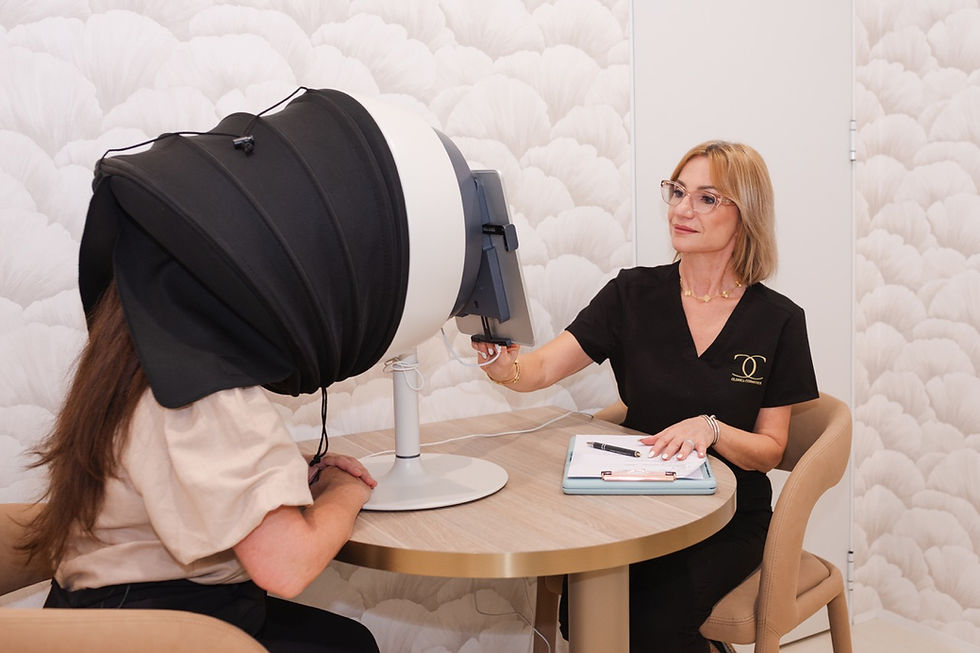
Why a Skin Analysis Consultation Is the Right Starting Point
At Clinica, we use the Observ 520x, an advanced multi-spectral imaging device that shows what is happening in the skin beneath the surface. It identifies pigmentation depth, distribution, and type with a level of precision that a visual assessment alone cannot achieve.
That information shapes everything. Which treatment. Which intensity. Which combination. And critically, what not to do. A consultation is not a formality. It is the most important part of getting your pigmentation result right.
Not Sure What Is Causing Your Pigmentation?
Book a Skin Analysis Consultation at Clinica. Our therapists use advanced multi-spectral imaging to identify exactly what you are dealing with before recommending anything. No guesswork, no assumptions, just a clear picture and an honest plan.


Comments